






Beyond the sun-drenched beaches of Bali and the lush tea plantations of Java lies a shadowy realm where ancient folklore, spooky history, and intense thrills collide. For travelers who crave a shot of pure adrenaline with a heavy dose of mystery, Indonesia offers a dark tourism landscape like no other.
From colonial-era structures echoing with phantom whispers to eerie misty forests steeped in ancestral myth, these locations promise an unforgettable journey into the unknown.
If you dare to venture beyond standard travel itineraries, pull up a seat and prepare for a spine-chilling tour of Indonesia’s most terrifyingly captivating spots.
Lawang Sewu: The Thousand Doors of Colonial Whispers
Located in the heart of Semarang, Central Java, Lawang Sewu stands as a breathtaking monument of Dutch colonial architecture. Built in the early 20th century, this grand administrative building gets its name from its vast maze of corridors and seemingly endless doors.
However, beneath its regal arches lies a tragic history of wartime occupation and imprisonment. Visitors and ghost hunters frequently report cold spots, mysterious footsteps, and sightings of a ghostly Dutch lady pacing the hallways, making it a mandatory stop for thrill-seekers.
Trunyan Village: The Open-Air Cemetery of Bali
While Bali is internationally celebrated for tropical relaxation, Trunyan Village offers an eerie contrast on the shores of Lake Batur. Unlike traditional Balinese Hindu cremation ceremonies, the indigenous Bali Aga people lay their deceased to rest above ground beneath a sacred Taru Menyan tree.
Surprisingly, the fragrant aroma emitted by the ancient tree neutralizes any odor of decay, leaving bodies exposed inside fragile bamboo cages. Walking through this quiet lakeside burial ground delivers a poignant, humbling, and undeniably haunting cultural experience that lingers long after you leave.
Bedugul Taman Rekreasi Hotel: The Ghost Palace of Bali
Perched high in the misty highlands of central Bali, the abandoned Bedugul Taman Rekreasi Hotel stands as an enormous, decaying monument of luxury that never was. Built in the 1990s, the grand resort was mysteriously deserted right before its official opening, leaving fully furnished rooms to crumble into dust.
Local rumors swirl regarding corrupt developers, sudden curses, and wandering spirits haunting the grand staircases and empty ballrooms. Wrapped in dense mountain fog, exploring these overgrown concrete halls feels like stepping straight onto the set of a Hollywood horror film.
Mount Ciremai: Phantom Voices on the Volcanic Slopes
For trekking enthusiasts seeking high altitude alongside local superstition, Mount Ciremai in West Java presents a double challenge. As the highest peak in West Java, its trails are renowned among hikers for steep ascents and breathtaking sunrise views over lush canopy valleys.
Yet, local guides firmly warn climbers to respect mountain etiquette to avoid upsetting guardian spirits. Reports of phantom gamelan music playing in empty forests and strange lights guiding lost hikers off trails make Ciremai a legendary hotspot for supernatural folklore.
Fort Rotterdam: Colonial Shadows in Makassar
Standing guard over the bustling waterfront of Makassar, South Sulawesi, Fort Rotterdam is a remarkably well-preserved 17th-century Dutch fortress. Originally built by the local Gowa Kingdom before falling to colonial forces, its stone ramparts have witnessed centuries of conflict and imprisonment.
The most famous historical prisoner housed within its stone walls was Prince Diponegoro, a national hero who spent his final years confined in a dark cell. Nighttime visitors regularly report eerie temperature drops, heavy invisible footsteps, and phantom Dutch soldiers patrolling the high stone walls.
Alas Purwo National Park: The Enchanted Forest of Secrets
Dominating the easternmost tip of Java, Alas Purwo National Park is an extraordinary ecosystem of pristine rainforests, wild beaches, and ancient limestone caves. Known locally as one of Java’s primary spiritual epicenters, practitioners of traditional mysticism travel here to meditate inside dark caverns.
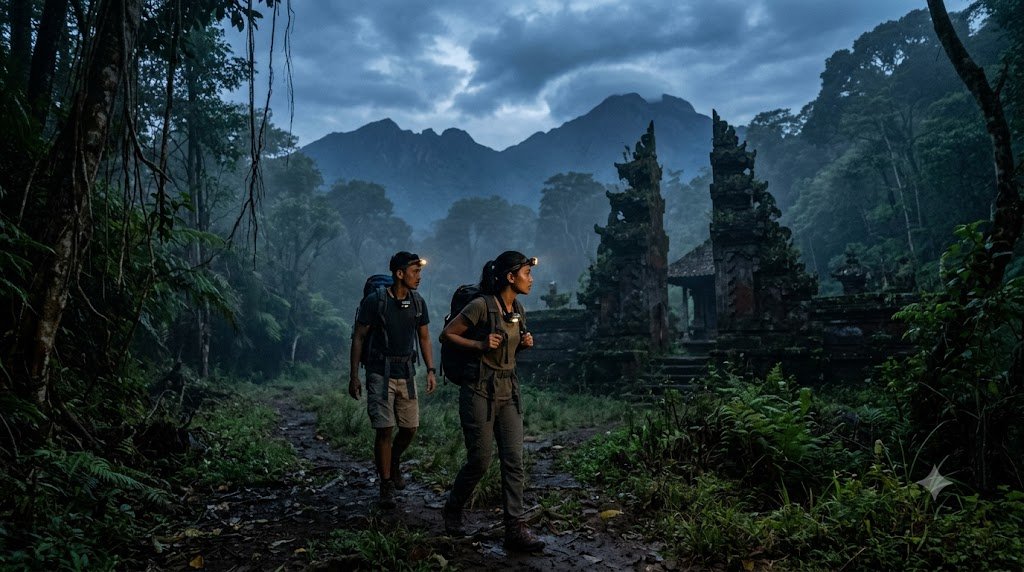
Local legends maintain that the forest acts as a permanent portal to the spirit world, where lost travelers can easily lose track of time and direction. Navigating its dense trails under towering canopies provides an intoxicating mix of raw wildlife encounters and intense atmospheric dread.
The Allure of Dark Tourism in the Indonesian Archipelago
Exploring Indonesia’s haunted destinations offers far more than simple jumpscares or campfire horror stories. These historic structures and sacred grounds provide deep insights into local cultural beliefs, ancestral reverence, and complex national history.
When visiting these sensitive sites, approaching local guides with genuine respect and open curiosity ensures both safety and cultural appreciation. If you are ready to trade conventional sightseeing for spine-tingling adventures, Indonesia’s mysterious corners are waiting to test your courage.
Frequently Asked Questions (FAQ)
Is it safe to visit haunted places in Indonesia as a tourist?
Yes, visiting these destinations is generally safe provided you follow standard travel safety protocols and respect local rules. Hiring an experienced local guide is strongly recommended, especially when exploring remote areas like Mount Ciremai or Alas Purwo, where getting lost poses real physical dangers.
How should travelers behave when visiting sacred or haunted sites in Indonesia?
Always show utmost respect toward local customs, taboos, and ancestral grounds. Avoid making loud noises, littering, or mocking local superstitions, and always ask permission from local caretakers before filming or taking photos in sensitive locations like Trunyan Village.
Can tourists access Lawang Sewu and Fort Rotterdam at night?
Lawang Sewu offers official guided tours that operate into the evening, providing visitors a spooky historical walkthrough. Fort Rotterdam typically closes its gates to the general public by evening, but visitors can still admire its formidable stone exterior and surrounding grounds at night.
What is the best way to prepare for dark tourism treks in Indonesian forests?
Pack appropriate gear including sturdy hiking boots, reliable flashlights, insect repellent, plenty of drinking water, and rain protection. Most importantly, hire local guides who possess detailed knowledge of both the physical terrain and cultural etiquette required to navigate these mystic areas safely.