








Vietnam is world-famous for the emerald waters of Ha Long Bay, the bustling streets of Hanoi, and the lantern-lit charm of Hoi An. Millions of travelers flock to these iconic landmarks every single year to taste authentic pho, snap breathtaking pictures, and soak in the vibrant atmosphere.
Yet, beyond the typical postcard destinations lies an entirely different country waiting to be explored. Tucked away behind mist-shrouded mountains, coastal turns, and deep valleys are quiet paradises that remain untouched by massive crowds.
If you are a traveler who prefers authentic encounters over tourist traps, you are in luck. Here is your ultimate guide to seven enchanting, off-the-beaten-path destinations in Vietnam that promise unforgettable adventures without the chaos.
1. Pu Luong Nature Reserve: The Tranquil Valley
While travelers pack their bags for the famous rice terraces of Sapa, local insiders quietly escape to Pu Luong Nature Reserve. Located roughly four hours southwest of Hanoi, this sanctuary feels like a peaceful realm lost in time.
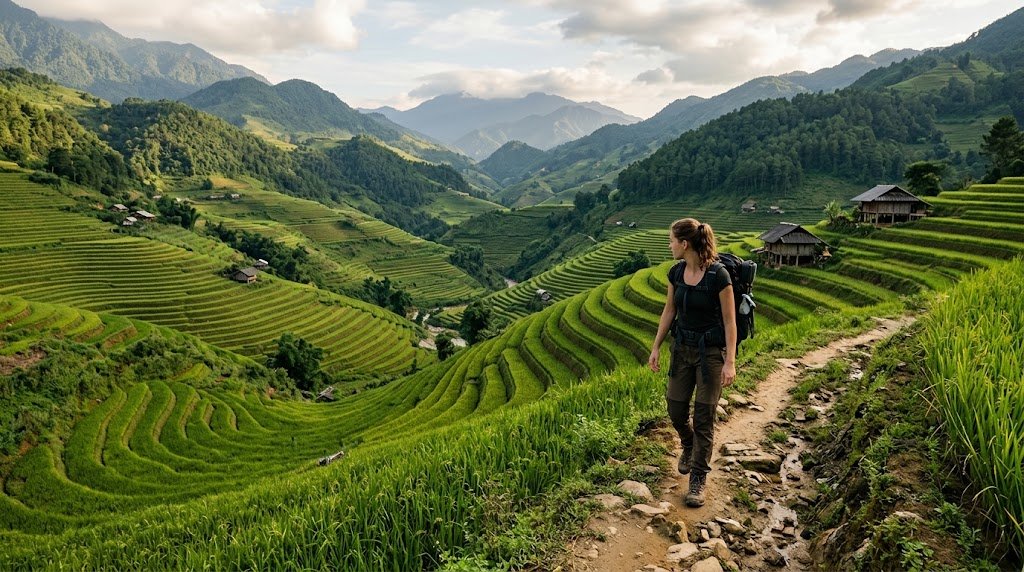
The valley is framed by towering limestone mountains and covered in lush, multi-tiered rice paddies. Small ethnic Thai and Muong villages dot the landscape, where water wheels crafted from bamboo endlessly scoop water from rivers to irrigate the crops.
Hiking through Pu Luong offers intimate glimpses into rural life that larger tourist hubs simply cannot replicate. You can stay in traditional wooden stilt houses, taste home-cooked meals, and spend your afternoons swimming beneath cool, hidden waterfalls.
2. Phong Nha-Ke Bang: Beyond the Famous Caves
Most international visitors head straight to Son Doong, the world’s largest cave system, but accessing it requires thousands of dollars and months of advance planning. Luckily, the surrounding Phong Nha-Ke Bang National Park holds countless accessible, lesser-known marvels.
The region is a wild playground of ancient karst mountains, subterranean rivers, and pristine primary jungles. Exploring places like Tu Lan Cave system or Paradise Cave offers edge-of-your-seat underground adventures without the massive expedition price tag.
Above ground, the roads winding through Phong Nha are exceptionally quiet and scenic. Renting a motor scooter allows you to ride alongside winding green rivers, through traditional farming hamlets, and into lush tropical valleys with total freedom.
3. Quy Nhon: The Unspoiled Coastal Haven
When international travelers plan a beach day in Vietnam, they usually look toward Da Nang, Nha Trang, or Phu Quoc. However, savvy domestic holidaymakers often choose the serene coastal city of Quy Nhon instead.
Quy Nhon boasts miles of golden sand, crystal-clear blue waters, and dramatic coastal cliffs that rival any famous resort town. The major difference here is the peaceful atmosphere; you can often have entire stretches of coastline completely to yourself.
Beyond relaxing on the beach, the city offers rich cultural history with several ancient Cham towers scattered across the hills. The local seafood scene is also incredible, offering fresh catches prepared right on the shoreline at budget-friendly prices.
4. Cao Bang: Geological Wonders and Cascading Waters
Tucked away in the far northeast near the Chinese border, Cao Bang is a province of jaw-dropping natural beauty that remains widely overlooked by mainstream tour buses. The landscape feels almost prehistoric, dominated by sharp limestone pinnacles and winding rivers.
The highlight of the province is Ban Gioc Waterfall, one of the largest and most impressive international border waterfalls in the world. Water thunders down multiple limestone tiers, creating a misty wonderland surrounded by vibrant bamboo groves.
Beyond the waterfall, Cao Bang offers endless driving routes through high mountain passes and traditional villages. It is a dream destination for adventurous travelers seeking sweeping vistas, crisp mountain air, and absolute tranquility.
5. Phu Yen: Where Volcanic Cliffs Meet the Sea
Located just north of Quy Nhon, Phu Yen province remains one of central Vietnam’s quietest coastal secrets. Its coastline is defined by dramatic geological formations, idyllic fishing harbors, and sweeping, grassy hills overlooking the ocean.
The star attraction of Phu Yen is Da Dia Rapids (Ganh Da Dia), a natural marvel made of thousands of basalt rock columns neatly stacked together like giant beehives. Created by ancient volcanic activity, it looks like a work of abstract art sculpted by nature.
Phu Yen is also famous for its peaceful, slow-paced lifestyle. Watching local fishermen paddle traditional round basket boats across quiet bays at sunrise provides a genuine, unforgettable glimpse into timeless Vietnamese maritime culture.
6. Lan Ha Bay: The Peaceful Alternative to Ha Long
Ha Long Bay is undeniably gorgeous, but its popular water channels can often feel congested with dozens of cruising ships. If you want the exact same magical limestone landscape without the crowd, Lan Ha Bay is your answer.
Situated just south of Ha Long, Lan Ha Bay features hundreds of dramatic green islets rising directly out of turquoise waters. The key difference is that Lan Ha experiences significantly less boat traffic, keeping its bays clean, calm, and serene.
Here, you can spend your morning kayaking through narrow rock arches into hidden lagoons, swimming off secluded white-sand beaches, or visiting floating fishing villages. It delivers all the legendary magic of northern Vietnam’s waters in total peace.
7. Kon Tum: The Heart of the Central Highlands
Nestled deep in the Central Highlands near the borders of Laos and Cambodia, Kon Tum is a culture-rich town surrounded by rolling hills and coffee plantations. It remains virtually untouched by modern international tourism.
Kon Tum is home to several indigenous ethnic minority communities, including the Bahnar and Sedang peoples. The town is famous for its striking wooden cathedral and traditional Rong houses—massive communal buildings with steeply pitched thatched roofs that tower over the villages.
Visiting Kon Tum allows travelers to experience a completely different side of Vietnamese heritage. You can sip locally grown highland coffee, learn about ancient tribal customs, and explore pristine mountain highways far away from the commercial tourist track.
Tips for Exploring Vietnam Off the Beaten Path
Traveling to lesser-known destinations is an incredible adventure, but it does require a bit of flexibility and preparation. Here are a few handy tips to make your journey into the unknown as smooth as possible:
Embrace Local Transport: While major routes have luxury buses, reaching hidden spots often means riding local sleeper buses, trains, or renting a motor scooter.
Learn Basic Vietnamese: In smaller villages, English is rarely spoken. Carrying a translation app and learning simple greetings will earn you warm smiles everywhere you go.
Respect Local Customs: When visiting ethnic villages or religious sites, dress modestly and always ask for permission before taking photographs of local residents.
Pack Smart: Remote areas may not have western amenities, specialized medicines, or ATMs. Always carry sufficient cash and essential personal supplies before heading into rural provinces.
Vietnam’s true magic lies beyond the guidebook highlights. By taking the road less traveled, you will discover stunning landscapes, warm-hearted locals, and authentic stories that will stay with you long after your trip has ended.