








When we think about pre-dinosaur Earth, our minds usually picture massive volcanic eruptions or strange ocean monsters. Yet long before the Tyrannosaurus rex stomped across terrestrial landscapes, silent green pioneers were already carpeting the planet.
These botanical survivors endured asteroid strikes, extreme ice ages, and continental shifts that wiped out dominant animal species. Remarkably, many of these botanical powerhouses are still alive, well, and growing right in our local gardens today.
The Mosses: Planet Earth’s Original Green Carpet
Mosses arrived on the scene over 470 million years ago, making them true pioneers of land colonization. Without true roots or seeds, these tiny green organisms adapted to absorb nutrients directly through leaves.
Their low profile enabled them to survive catastrophic mass extinctions that wiped out taller vegetation. Today, mosses continue to act as nature’s moisture sponges, carpeting forest floors across every continent.
Horsetails: Miniaturized Giants of the Carboniferous Era

Walking near a damp marsh might bring you face-to-face with Equisetum, commonly known as horsetails. Around 300 million years ago, giant tree-sized relatives of these plants dominated prehistoric swamp forests.
Modern horsetails are much smaller, but their segmented hollow stems remain virtually identical to fossil records. Gardeners often struggle to eradicate them because their deep underground root systems are nearly indestructible.
Ferns: The Survival Experts of Prehistoric Forests
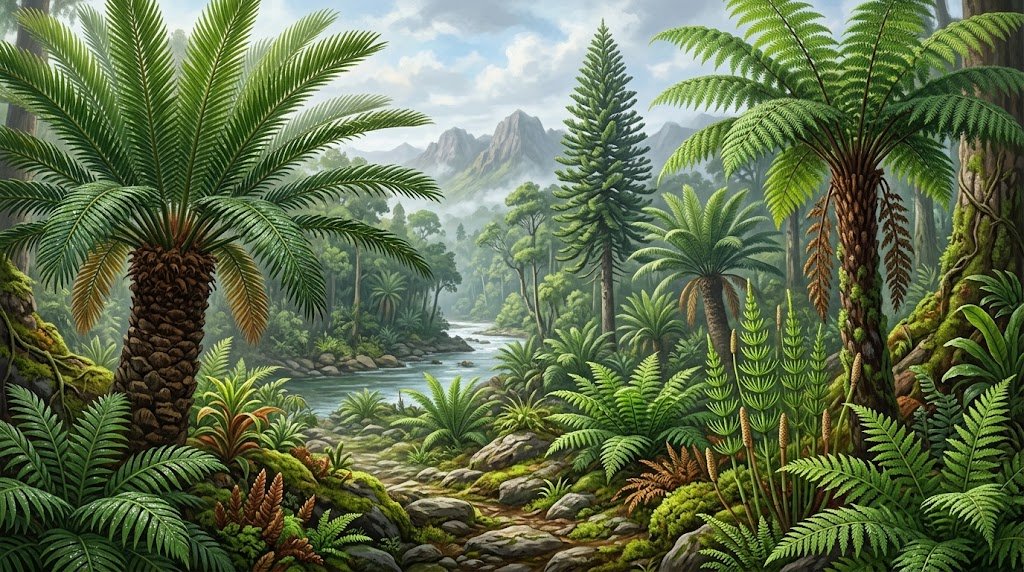
Ferns appeared approximately 360 million years ago, perfecting reproduction via airborne spores rather than pollen. They evolved delicate fronds capable of capturing sunlight beneath dense ancient forest canopies.
Tree ferns still dominate misty rainforests in New Zealand, Tasmania, and Southeast Asia today. Their ability to thrive in shaded environments allowed them to outlive thousands of competing plant lineages.
Ginkgo Biloba: The Ultimate Botanical Living Fossil
The Ginkgo biloba tree holds a unique title in botany as a single species with no remaining close relatives. Fossil evidence proves this fan-leafed tree flourished over 270 million years ago alongside early reptiles.
While all other species in its order vanished, Chinese monks cultivated and protected Ginkgo trees for centuries. Today, city planners plant them along urban sidewalks because they resist pollution, disease, and insect infestations.
Cycads: The Plants That Dinosaurs Actually Ate
Cycads look like short palm trees with thick woody trunks, but their evolutionary lineage is far older. Emerging 280 million years ago, these tough gymnosperms formed the main diet for herbivorous dinosaurs like Stegosaurus.
Cycads grow extraordinarily slowly and can live for hundreds of years under harsh conditions. Despite surviving global cataclysms, many cycad species now face threats from habitat destruction and illegal poaching.
Welwitschia Mirabilis: The Desert Survivor
In the Namib Desert grows Welwitschia mirabilis, an extraordinary plant that evolved over 200 million years ago. It produces only two leaves throughout its lifetime, which split into ragged strips over centuries.
This ancient survivor absorbs moisture from ocean fog rolling across dry desert sands. Individual plants can live for 1,500 years, standing as living monuments to evolutionary resilience.
Why Ancient Plants Still Matter Today
The endurance of these living fossils offers valuable lessons for modern ecological conservation. Their robust genetic codes survived dramatic shifts in atmospheric conditions and global temperatures.
Studying how these plants adapted helps scientists anticipate how ecosystems might respond to present-day environmental changes. These green veterans remind us that while animal empires fall, plant life finds a way to endure.