









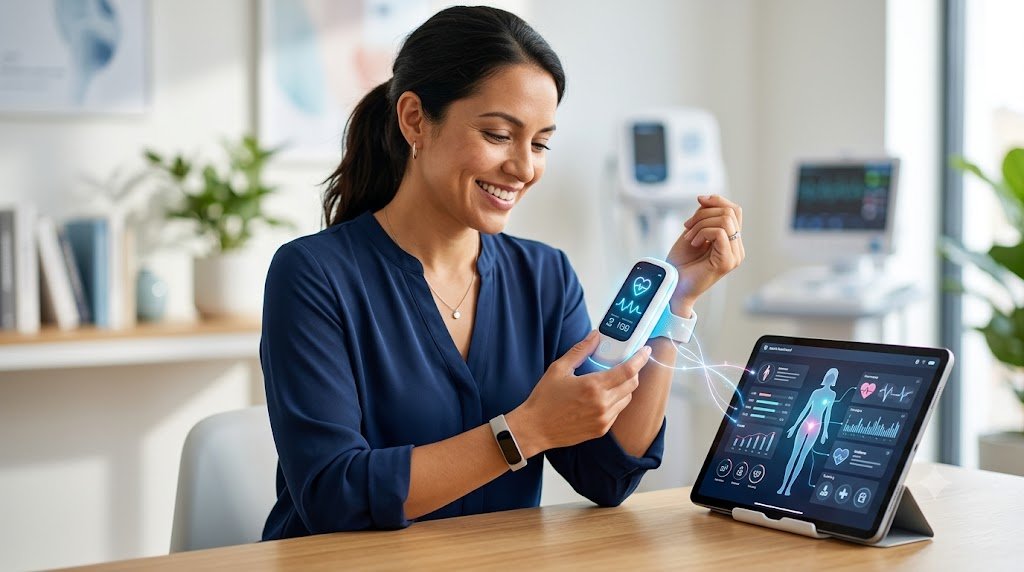
The healthcare sector treated women’s health issues through a strikingly narrow lens, often focusing primarily on maternal care while overlooking broad-spectrum biological differences. However, a major technological shift is underway across the global medical landscape.
Driven by visionary founders, cutting-edge software, and dedicated investors, women’s health technology—popularly known as “Femtech”—is rapidly transitioning into a mainstream power player. Today, innovative startups are tackling complex medical challenges that were historically overlooked, underfunded, or dismissed as taboos.
From AI-powered diagnostics for chronic conditions to personalized hormonal wellness platforms, these tech solutions are revolutionizing how women experience healthcare. Here is a close look at how the sector is gaining serious momentum and changing modern medicine.
Closing the Historical Gender Data Gap
One of the most compelling forces driving this health-tech movement is the urgent need to bridge the historical medical data gap. For decades, clinical trials primarily featured male subjects, leaving significant blind spots in understanding female biological responses to treatments.
Emerging startups are using advanced machine learning to collect, analyze, and apply data specifically centered on female physiology. By leveraging real-world medical data, these platforms enable clinicians to detect subtle symptoms earlier and prescribe therapies tailored directly to female biology.
This digital shift is proving crucial for conditions like cardiovascular disease, where female symptom presentation often differs dramatically from traditional male models. As specialized data sets expand, treatment precision across hospitals and clinics improves significantly.
Tackling Chronic Conditions with Precision Digital Tools
Conditions such as endometriosis, polycystic ovary syndrome (PCOS), and fibroids affect millions worldwide, yet patients frequently wait years to receive an accurate diagnosis. Startups are stepping into this gap with intuitive digital diagnostics and non-invasive screening tools.
At-home testing kits linked to smart mobile applications allow users to monitor biomarker levels, track symptom severity, and consult remote specialists in real time. These tools significantly reduce diagnostic timelines while empowering individuals to manage chronic symptoms proactively.
By digitizing chronic care pathways, modern platforms help patients bypass lengthy specialist waiting lists. The result is faster medical intervention, reduced emergency room visits, and a dramatically better quality of life for long-suffering individuals.
Beyond Fertility: Expanding into Menopause and Midlife Care
While early iterations of female health tech focused heavily on pregnancy tracking, modern entrepreneurs are expanding their gaze across the entire human lifespan. Menopause and perimenopause care, in particular, are experiencing an unprecedented boom in specialized digital services.
Innovators are launching virtual clinics offering specialized hormone therapy, mental health support, and smart wearable sensors designed to mitigate hot flashes. These comprehensive platforms ensure that midlife healthcare receives the technical focus and clinical rigors it genuinely deserves.
Employers are taking notice, too, increasingly adding these midlife health platforms to corporate benefit packages. Recognizing that supporting women through all career stages improves workplace retention, corporations are backing these tech solutions enthusiastically.
Venture Capital Realizes the Massive Market Opportunity
Historically, securing capital was a steep uphill climb for female-focused health startups due to homogeneous venture capital investment committees. However, the sheer market size and overwhelming consumer demand have made the sector impossible for financial markets to ignore.
Venture capital firms are directing record funding into health technology startups addressing previously ignored female medical needs. Investors are realizing that solutions catering to over half the world’s population represent both high social impact and incredible commercial potential.
This influx of growth capital accelerates clinical trials, speeds up regulatory approvals, and enables companies to scale rapidly. As a result, breakthrough health tools transition from research labs to public mobile app stores far quicker than ever before.
Overcoming Regulatory Hurdles and Data Privacy Concerns
Despite impressive growth momentum, the women’s health tech space faces distinct challenges, particularly regarding stringent regulatory approvals and sensitive user data privacy. Health applications handle personal biometric data, making robust cybersecurity a critical necessity.
Leading tech startups are addressing these concerns by adopting medical-grade encryption standards, obtaining formal healthcare certifications, and enforcing transparent data-sharing policies. Building unshakeable user trust remains a foundational priority for sustainable commercial success.
Furthermore, working closely with global regulatory agencies ensures that emerging diagnostic algorithms meet rigorous safety benchmarks. This commitment to clinical compliance bridges the gap between casual wellness tracking and formal medical practice.
The Future of Healthcare Belongs to Inclusive Innovation
The rise of specialized women’s health technology represents far more than a passing trend in consumer software; it is a fundamental restructuring of medical care. By designing technology around distinct physiological requirements, the broader medical industry grows more inclusive, precise, and effective.
As artificial intelligence advances and wearable devices become increasingly sophisticated, the possibilities for personalized preventative care will expand exponentially. Overlooked medical needs are finally getting the world-class technological solutions they urgently require.
The momentum behind this sector proves that when technology meets long-neglected healthcare challenges, transformative progress follows naturally. The future of healthcare is undeniably inclusive, personalized, and driven by smart technological innovation.
Frequently Asked Questions (FAQ)
What exactly is Femtech, and what areas of healthcare does it cover?
Femtech (Women’s Health Technology) refers to software, diagnostic devices, wearables, and healthcare services that use technology to address female-specific health needs. It encompasses fertility, maternal health, chronic condition management, pelvic health, menopause care, and general oncology.
Why was women’s health technology underfunded for so long?
Historically, venture capital and medical research sectors were predominantly led by men, leading to a systemic lack of awareness regarding female biological needs. Additionally, topics like menopause and menstruation carried societal taboos, delaying commercial market investment.
How do modern startups protect sensitive health data on their apps?
Reputable health technology startups implement end-to-end encryption, strictly adhere to regulations like HIPAA and GDPR, and allow users to opt out of data sharing. Many platforms undergo independent cybersecurity audits to guarantee sensitive biometric data remains secure.
Are digital women’s health tools meant to replace traditional doctors?
No, digital health tools are designed to complement traditional healthcare rather than replace it. They provide early tracking, remote monitoring, and accessible clinical data that empower both patients and doctors to make more informed treatment decisions together.